

Understanding Cognitive Biases in Casino Play
At the heart of advanced gambling psychology lies the acknowledgment of pervasive cognitive biases that influence decision-making at the casino. Gamblers often fall prey to phenomena like the gambler’s fallacy, the mistaken belief that past independent events can influence future probabilities. This can lead to continuing to bet on a losing number in roulette, assuming it’s “due” to hit, despite each spin being an independent event with fixed odds. Recognizing these ingrained mental shortcuts is the first step towards mitigating their impact on gameplay and bankroll management, and understanding the nuances of a luckymanor casino can be part of this learning process.
Another critical bias to understand is the illusion of control, where players feel they can influence random outcomes through skill, rituals, or specific betting patterns. This can manifest in “lucky” charms or elaborate strategies for games of pure chance. Such biases can lead to overconfidence and riskier betting decisions. Acknowledging the inherent randomness of most casino games, regardless of strategy or perceived personal influence, is paramount for a more rational approach, a principle that prudent players aim to uphold at venues like Lucky Manors.
The Role of Emotional Regulation in Gambling
Emotional regulation is a cornerstone of advanced gambling psychology, as powerful emotions like excitement, frustration, and anxiety can severely cloud judgment. The thrill of a win can lead to chasing further losses with reckless abandon, while a string of bad luck can trigger impulsive decisions driven by a desire to recoup losses quickly. Learning to detach emotionally from the outcomes of individual bets, focusing instead on long-term strategy and responsible play, is a hallmark of a skilled gambler.
Developing coping mechanisms for negative emotional responses is crucial. This might involve setting strict win and loss limits, taking regular breaks, or even having a pre-determined exit strategy for a gaming session. The aim is to prevent emotional highs and lows from dictating betting behavior. A disciplined approach ensures that gambling remains an enjoyable pastime rather than a source of undue stress, a practice that responsible establishments like Lucky Manors often promote through their commitment to player well-being.
Strategic Bankroll Management and Decision Making
Effective bankroll management is inextricably linked to gambling psychology. Understanding how much of one’s overall gambling budget to allocate to a single session or bet is a critical psychological hurdle. Many players err by betting too large a percentage of their funds when feeling confident or chasing losses. Advanced gamblers view their bankroll as a finite resource that must be carefully managed to prolong their gaming experience and protect against significant financial detriment.
This involves setting clear financial boundaries before commencing play and adhering to them rigidly. This includes deciding in advance how much to bet on each hand, spin, or game, and sticking to that predetermined amount, regardless of perceived luck or pressure. Such disciplined financial planning is a psychological defense against impulsive, emotionally driven betting, ensuring that the focus remains on calculated risks rather than reckless gambles. This meticulous approach is something that discerning players look for in reputable gambling environments.
The Impact of Environment and Social Factors
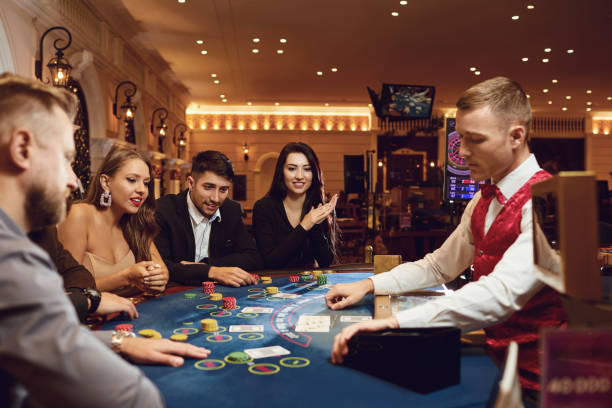
The casino environment itself plays a significant role in shaping gambling psychology. Factors such as the ambient noise, lighting, availability of alcohol, and the general atmosphere of excitement can all contribute to heightened emotional states and a reduced sense of risk. Understanding how these external stimuli can influence one’s decision-making process is an important aspect of advanced psychological awareness for gamblers.
Social dynamics within a casino can also exert pressure. The presence of other players, perceived successes or failures of those around them, and even peer pressure can influence betting patterns. Being aware of these social influences and maintaining an independent mindset, rather than being swept up in the collective mood, is key. This self-awareness allows players to remain grounded in their own strategies and limits, irrespective of the surrounding atmosphere.
Lucky Manors: A Focus on Responsible Gaming and Player Experience
Navigating the complexities of gambling psychology is made more manageable when the venue itself prioritizes a positive and responsible player experience. Lucky Manors, for instance, aims to provide an environment where players can engage with casino games while being mindful of their psychological and financial well-being. This involves fostering an understanding that responsible gaming is not just a regulatory requirement but an integral part of enjoyable entertainment.
By offering a well-managed platform, Lucky Manors implicitly supports players in their efforts to apply sound psychological principles. The focus is on creating an accessible yet secure space for entertainment, where the emphasis is on the quality of the experience rather than encouraging excessive play. This approach helps players maintain a healthy perspective, allowing them to enjoy the thrill of casino games within a framework that respects their autonomy and promotes mindful participation, a crucial element for anyone seeking to master the odds.