

Scientists at the California Pacific Medical Center in San Francisco determined that a combination of CBD and THC has a more potent anti-tumoral effect than either compound alone when tested on brain cancer and breast cancer cell lines. Scientific studies have established that CBD and THC interact synergistically to enhance each other’s therapeutic effects. Whether you’re consuming CBD or THC, however, it’s best to use products that are sourced from cannabis flower as opposed to industrial hemp. Numerous commercial start-ups and internet retailers have jumped on the CBD bandwagon (touting CBD derived from hemp as the next big thing), a miracle oil that can shrink tumors, quell seizures, and ease chronic pain—without making people feel “stoned.” A person needs to stick to the dose that produces their desired effect and stop taking CBD if they experience side effects.
Radiant Wellness embraces this synergy with formulas designed to support clarity, rest, recovery, and resilience. These formulas are packed with skin-nourishing ingredients and soothing botanicals — providing localized support for muscles, joints, and tension spots. With a wide range of CBD options available (finding a product that matches specific goals comes down to understanding formulation), ingredients, and intended use.
You can gradually increase your dose, observing your reactions and how you feel. the evolution of online fan engagement Recent studies show that anxiety can increase with THC dose. According to some studies, THC’s anxiety-inducing impacts might be diminished when it is paired with CBD. Initially, it might alleviate anxiety, but higher doses can exacerbate symptoms, especially in inexperienced users. While results differ, several studies lend credence to CBD’s potential to alleviate anxiety under controlled conditions. CBD is celebrated for its potential in the treatment of anxiety disorders.
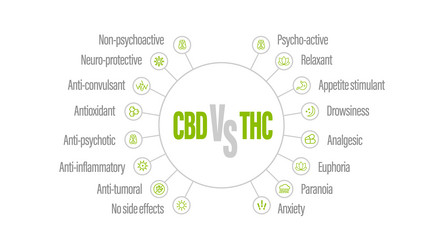
CBD vs THC: Key Differences at a Glance
Whether utilizing CBD, THC, or a blend of both, smoking and vaping present the highest risks. This combination proves effective as THC can alleviate certain symptoms, while CBD counters its psychoactive effects. The publication costs were covered by Medlab Clinical; however, they had no involvement in the review’s design, data collection, analysis, interpretation, manuscript writing, or publication decision.

This situation has sparked a debate among medical professionals regarding THC’s efficacy in treating anxiety. THC may provide some assistance, but it also carries risks for individuals with anxiety. Conversely, THC’s effects can lead to increased anxiety in some individuals.
Tips for trying CBD and THC
The use of THC carries substantial hazards — especially for young individuals and those with pre-existing mental health conditions. While these adverse reactions are usually brief and not severe, it remains crucial to be vigilant for any symptoms that could stem from sustained use. Additional typical side effects include alterations in appetite and feelings of tiredness.
Through a phenomenon known as the entourage effect, CBD and THC enhance each other’s therapeutic benefits by working together synergistically. Patients do not significantly benefit from CBD-only laws, as they require access to a wider range of whole plant cannabis remedies for optimal treatment. The legal status of CBD in the United States is complex; while the 2018 Farm Bill legalized industrial hemp (the FDA classifies CBD as a pharmaceutical drug), prohibiting its sale as a dietary supplement. The insights gleaned from such studies will aid in refining dosing guidelines while pinpointing any possible hazards, thereby facilitating secure yet efficacious medicinal application. The safety considerations of CBD and THC play a vital role in their medical applications. Notably — CBD is promising in the reduction of anxiety symptoms and the management of some neurological conditions.
According to Dr. Gruber (“They might experience discomfort or anxiety), elevated heart rates, and increased blood pressure; nausea and vomiting are also possible, and certain individuals may even feel paranoid and agitated. Some individuals report feeling well after both small and occasionally large doses of THC. Consuming one cannabis beverage without waiting to feel its effects before having one or two more can rapidly increase your THC intake two or threefold. Dr. Gruber notes, “Some individuals say they perceive the effects of cannabis-infused beverages within 15 to 20 minutes, which is significantly quicker compared to consuming a cannabis gummy or brownie. Many cannabis-infused beverages include THC as an ingredient, and while there is no universal dosage, research studies often utilize 5 milligrams (mg) as the standard.
The optimal CBD-to-THC ratio is contingent upon your desired outcomes. A spray containing equal parts THC and CBD has demonstrated improvements in sleep quality for patients with chronic pain, although sleep was assessed only as a secondary outcome in the studies. The fact that CBD does not exacerbate THC’s negative effects—and might even mitigate them in certain situations—bolsters the argument for using them together instead of separately.
Infused with Ashwagandha KSM-66® (Magnesium Glycinate), and Lemon Balm, these gummies support emotional balance while helping the body adapt to daily stressors. This combination is designed to support relaxation and rest without heavy grogginess the next morning. CBD is commonly used to support relaxation (manage day-to-day stress), and promote a sense of mental clarity. Understanding these interactions helps clarify the unique roles each cannabinoid can play in supporting wellness. It’s used in various formats such as oils (capsules), and balance gummies, supporting relaxation, focus, or stress management.
While CBD does not completely block the effects of THC — it tempers them, allowing the therapeutic advantages to be experienced. THC directly stimulates the brain’s cannabinoid receptors — which is responsible for its psychoactive effects. The entourage effect proposes that cannabinoids (terpenes), and other compounds within the cannabis plant collaborate to create effects unattainable by any single component alone. Radiant Wellness topical products are formulated for localized relief without inducing psychoactive effects. While edibles can last for several hours, topicals provide more consistent and localized support.
Relevant data is presented as (mean ± SD; median 25% percentile, 75% percentile). This is an open-access article distributed under the terms of the Creative Commons Attribution License , CC BY,. Inclusion in an NLM database does not imply endorsement of, or agreement with, the contents by NLM or the National Institutes of Health. As a library, NLM provides access to scientific literature.